




People generally invest in gold as a hedge against inflation. While the Federal Reserve and wild government spending has gone out of control over the last several years, the value of the dollar has been eroding as the cost of goods has continued to rise. It is not that the prices are going up, it is the mere fact that the value of the dollar is going down, therefore it takes more dollars to purchase the same goods.
Investing in gold offers many unique advantages. In addition to gold offering more stability to your portfolio and creating a hedge against inflation, it has many other benefits.
Gold has long been a safe haven during economic turbulence. When inflation rises or markets falter, precious metals often retain or increase in value which helps protect your investment portfolio.
Given the many global uncertainties the year has brought upon us gold and many of the other metals have outperformed the S&P 500 index by nearly 2 to 1 in 2025 so far.
Once you have decided that buying gold is right for you, the fun starts. There are two ways to own gold. You can own the physical gold or you can buy it on paper (where you are buying certificates or electronically traded funds, AKA ETFs).
The real beauty of buying precious metals is that you can buy in multiple formats. There is the physical gold you can hold or touch and there is the type you own on paper, but may not necessarily own any physical gold, but you own it on paper. Below we will explain the benefits of each one.
Historically, this was the only way to buy gold for many decades. This is nice for those who enjoy tangibles that have proven the test of time.
Physical gold is a great way to get started. The nice thing about having physical gold is that you always own it, (unless you sell it or someone steals it).
When owning physical gold you will need a safe place to put it and typically will need insurance to make sure your investment is protected, safe and not everyone knows about it.
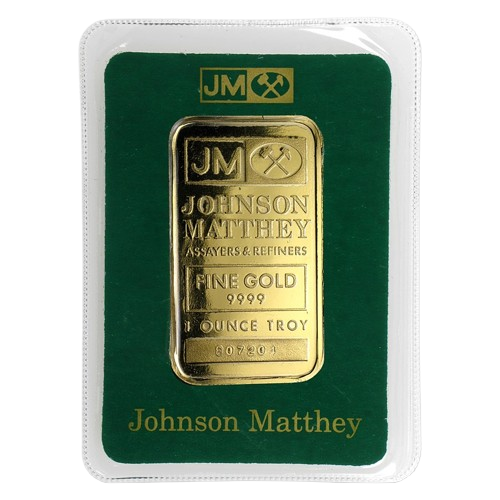
Not all gold is created equally. While gold is typically gold, there are different grades of gold. Primarily how many karats, the weight and purity of the gold.
Furthermore there is pure gold (where you are just paying for the weight) and there is buying older gold with a higher perceived value). These are known as numismatic coins and typically cost more than regular gold because they are considered to be rarer. These are great for those with a passion for history, however they are typically more volatile.
Many advisors typically suggest investing in bullion to avoid getting scammed and it is typically less volatile.
Alright so now that you have the fundamentals down, let’s get into the meat and potatoes. When buying gold bars and coins it is important to consider your budget and how much gold you can acquire for your budget. Typically it is recommended to go for as much quality gold as you can get.
When starting out, it is important to know where the spot price of gold is currently trading. You can get live spot prices by visiting GramSpot.com. Once you know what the spot price is, you want to look at how much over spot you are paying. While many brokers try to pad the spot prices, the feed you see at GramSpot are the real spot prices. So once you know the real spot price, you can see how much the real markup really is. Consider it as buying a new car, the dealer wants to sell it for the highest prices possible and you want to get the lowest price possible. But if you only knew their price, you can determine who is giving you the best deal. This is just like having access to that information.
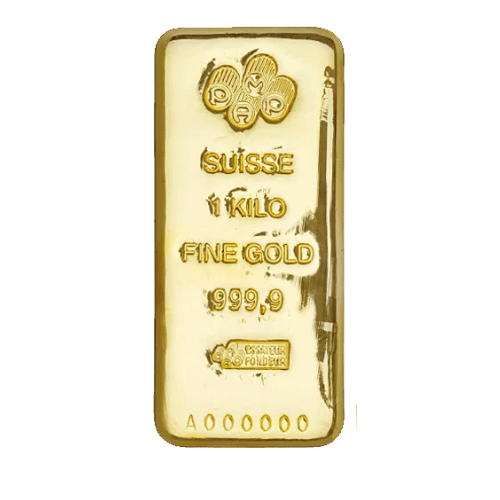
So now that you know the spot price, you want to look at the purity of the gold you are buying. Many analysts suggest buying gold that is .999 or 24K gold. This is the purest form of gold and holds the max value. Typically the bigger the weight you are buying the more bang for the buck you are getting. For example, a 100 ounce bar will have a lower cost per ounce than a one gram bar.
When buying bars, it is also important to think of resale value. While gold is gold, there are more buyers who can pay for a 1 gram bar than a 100 ounce bar of gold. When buying coins, it is usually recommended by the experts to purchase them in 1 ounce increments so it is easier to keep track of the real value.
Try to stay away from any coins that are under 24K as they contain less purity. Smaller bars and coins are easier to store safely in your home as they are easier to hide. So the main thing is choose a gold that fits your budget, is as pure as possible and contains the closest price to spot as possible and make sure you are working with reputable dealers.
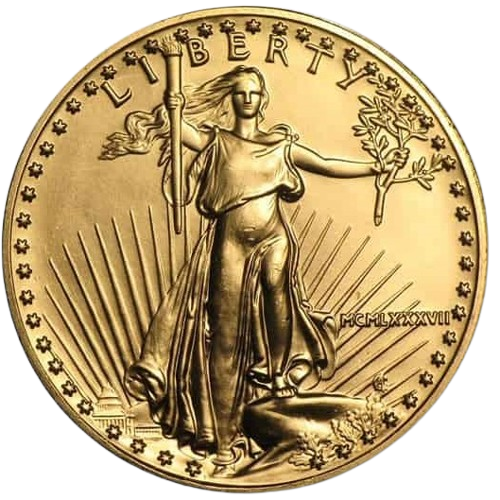
While there are many fine options to consider when purchasing gold coins. The coins we like best are the 1 oz America Gold Eagles.
These coins were minted by the U.S. Mint and backed by the government and include a $50 face value. These Eagles contain one full troy ounce of gold and a slight mix of silver and copper to give them strength and make them more durable. The front is the Liberty design by Augustus Saint-Gaudens and the back shows a bald eagle designed by Jennie Norris.
Because these are made by the U.S. Mint, they are discouraged from counterfeits as there are tighter laws against counterfeit money.
Gold American Eagles are popular amongst investors worldwide as they are also allowed in some IRA accounts. In addition to that, gold has historically stood the test of time and still maintains it’s value in today’s marketplace. These are a great coin to stack up and pass down to your heirs.
While there will always be scammers out there to try and steal your money by selling you fake gold, you can often minimize that risk by working with reputable dealers that have been in business for many years. Be sure to check their reviews on Google, the Better Business Bureau and TrustPilot.
You can find some of the highest trusted gold dealers on the GramSpot website which explains some of the benefits of going through each dealer. The main point is to always buy certified gold to avoid getting hosed. Typically the dealers we provide tend to guarantee their gold and ship fast to minimize conflicts.
While you can buy gold from local shops or mints nearby, there are some benefits to doing so and there are some drawbacks. At a local shop, you get to see what you are buying before taking it home. You also avoid insurance costs and shipping fees. You can visit pawn shops or find sellers online. The only drawback to this is while you may be getting a better price, there is often no guarantee and your transactions are much safer buying online through a trusted merchant than meeting a stranger from an ad on Craigslist in a parking lot with a wad of cash.
You can minimize some of the risk by visiting mints like a U.S. Mint. These are official government sellers for authentic coins. They typically have limited stock but provide zero scam risk, which provides a safety blanket so you can rest assured. But then you have to wonder who is out in the parking lot watching. So there are always tradeoffs to consider but at the end of the day remember to compare spot prices with what you are paying in premium and compare that to other brokers.
When making payments, it is best to avoid payment methods like PayPal as they tend to charge higher fees which ads to your cost of buying. Reputable dealers will accept check payments or wire to reduce fees. Paying with credit cards does offer another layer of protection. When choosing shipping, it is best to insist on the good old Post Office. Going through the USPS helps reduce the risk as there are more penalties for mail fraud which protect consumers.
Let’s face it, no one wants to buy fake gold. To avoid getting scammed, you must check to make sure the gold is real. There are a lot of fake bars out there. One way to reduce the chances of getting hosed is by insisting on buying U.S. Minted coins as there are stiffer penalties for counterfeiting.
Once you have gone through all of this, the next step is to consider where to store it properly.
Protect your investment from theft by keeping it secure. You should avoid telling others you have it to be safe.
When storing precious metals at home, it is best to protect your investment in a fireproof and heavy safe that is bolted to the floor. A good safe like this can typically cost at least $500. Best not to place it in your bedroom as that is one of the first places a burglar will look. You have to be creative and hide the vault somewhere no one will suspect.
You can also consider a safe deposit box from a bank. This is a double edged sword because if something happens to the bank or there is a financial crisis and the bank is closed, you will not be able to access your gold. You can also consider professional vault companies like Brinks or Loomis where you can store your gold in a high security facility. This is good for larger portfolios to keep the risk away from your family.
You will also want to consider insuring your investment from theft or disaster.Insurance costs for gold typically range between 1-2% depending on the carrier. You will also want to consider splitting up your gold investments to protect your portfolio, depending on the size.
Gold is always a good investment if it is not way overvalued. There are many ratios to look at to compare gold to. One is the Dow/Gold ratio. The Dow Jones Gold ration compare the value of the Dow Jones Industrial Average to the price of one ounce of gold. Typically the higher the ratio, the more overvalued stocks are and the cheaper gold is. Conversely, the lower the ratio, the more expensive gold is and stocks undervalued.
When the Dow/Gold ratio is above 15-20, it suggests that stocks are expensive relative to gold. This is a potential signal to sell stocks and buy gold. When the ratio is below 5, stocks are cheap compared to gold. This signals it is time to buy stocks and sell your gold. While investing in gold is technically considered a commodity, the price can be volatile depending on the economic conditions. Spikes going up and crashes going down can happen at any time, but investing with the hope for a spike is a form of speculation. You can get very rich or you can also get burned. But in the long run, the price of gold tends to do well overtime, so buying gold now can still be a good investment.
While everyone’s finances are different, industry experts suggest putting 10-20% of your investment portfolio into gold. Therefore if you have $10,000 in your investment portfolio, a good rule of thumb would be to put between $1,000 to $2,000 into gold. Only risk what you are comfortable investing in and remember gold is a long term play, with short term potential for gains.
The safest way to store your gold is in a inconspicuous vault that you can bolt down to your floor in your home. One that is fireproof, heavy, well rated and hard to crack open. If you are not comfortable holding metals in your home you can consider an outside storage company like Brinks. Be sure to add insurance to cover theft or disasters. When in doubt, spread your gold around across various spots to be safe.
When selling your gold, the same principles apply to selling your gold as buying it. The only difference is that you will often be selling it under spot. Any of the trusted dealers on the GramSpot website can be a good source to sell your gold. If you need cash fast you can consider a pawn shop but remember you will get the lowest price there. If you buy when gold is low and sell when gold is high, you can make out well over time. Remember the old rule, buy low and sell high!